All aquatic ecosystems are strongly driven by physical processes, and nowhere is this more true than in Antarctica.
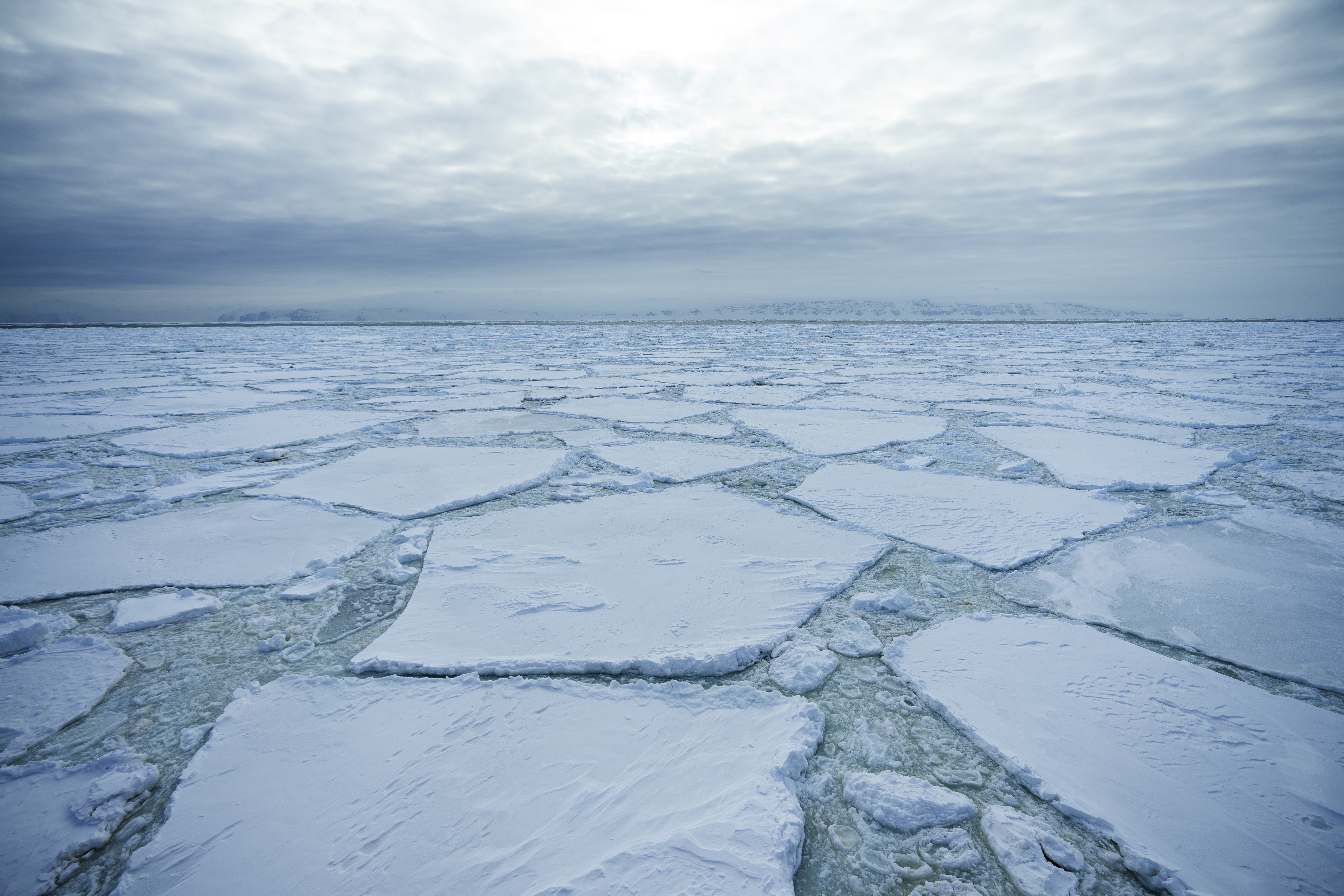
On land, the very presence of liquid water is dependent on short periods when ice can melt, and in the ocean the presence of annual and multi-year sea ice is a powerful influence on primary production. Regional and year-to year differences in climate (operating through these physical constraints) may be responsible for broad-scale patterns seen in inland and marine ecosystems.
By studying the climate-related environmental processes which influence the spatial structure of populations and community dynamics, as well as the community composition and its spatial and temporal variability, we are better placed to understand the potential impacts of regional climate variability on aquatic ecosystems, as well as to separate natural fluctuations from ongoing anthropogenic changes.
Coastal benthic communities
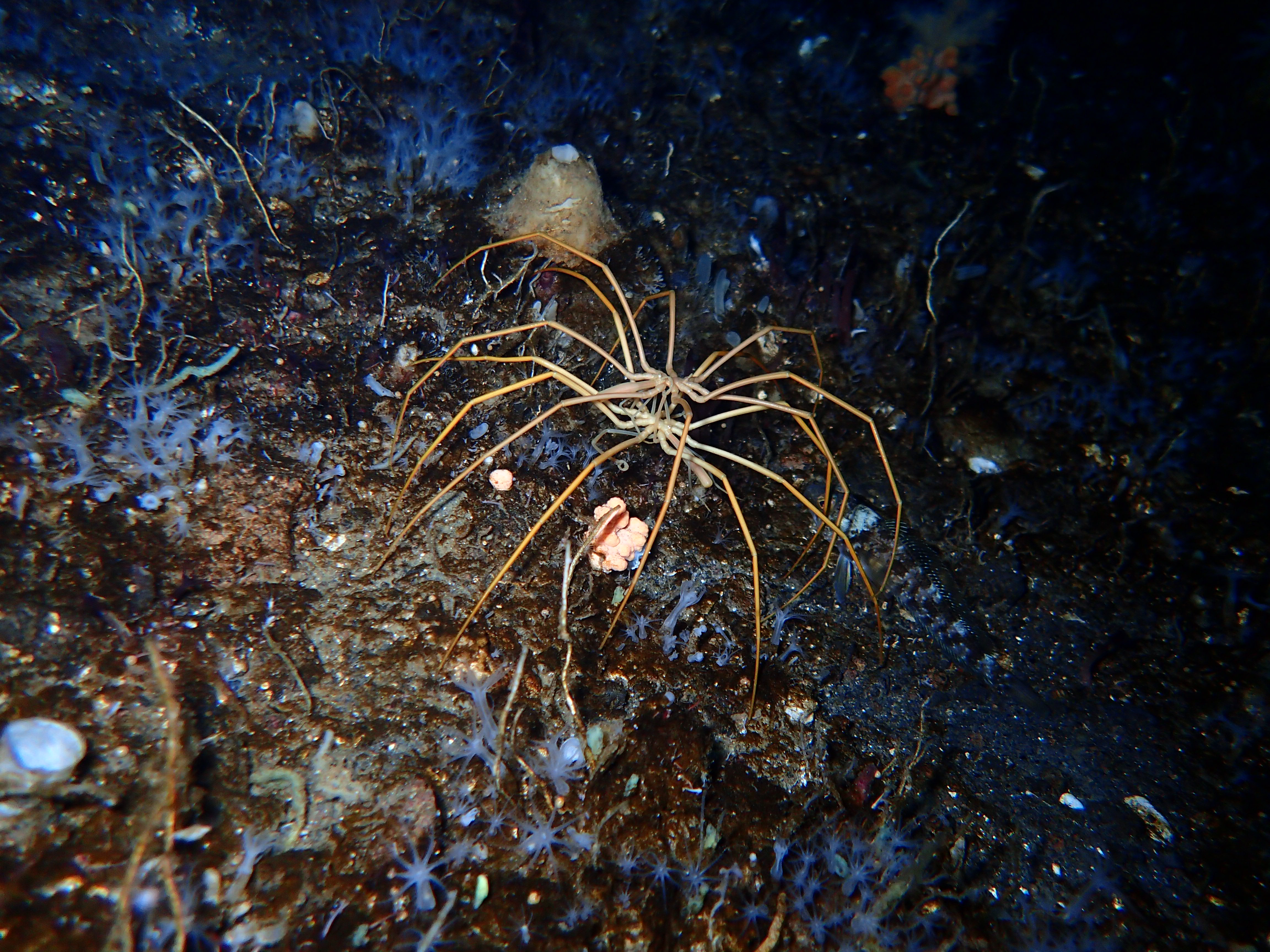
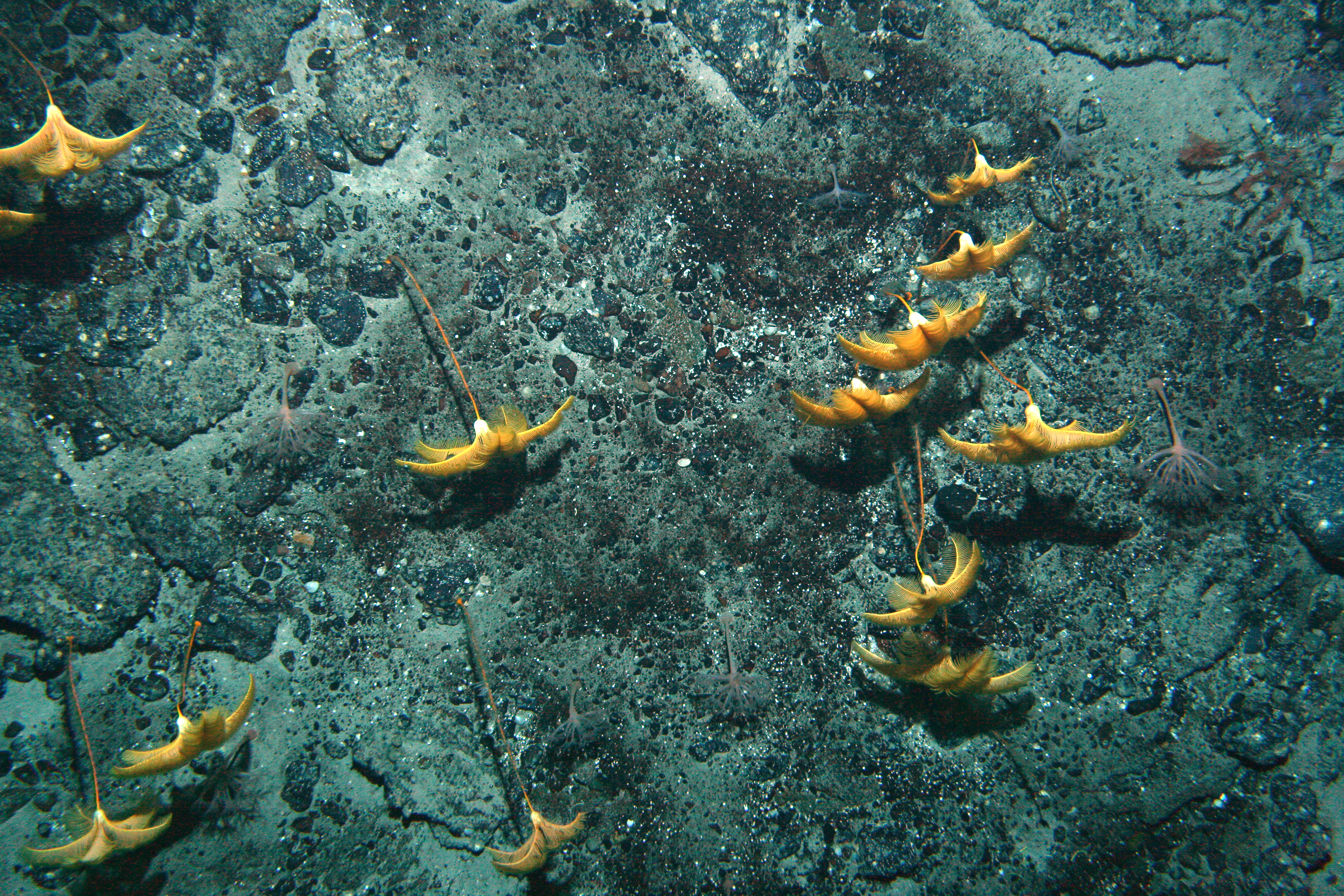
Antarctica's coastal marine environments support diverse benthic communities. These are structured by a hierarchy of physical and biotic factors, Principal amongst these are substrate type and food. The strong seasonality in environmental conditions, in terms of sea ice cover and light regime, exerts a strong influence on primary production and the subsequent food supply to benthic animals. The sea ice itself provides a substrate for growth of some algae, but inhibits growth of others by depriving them of light. Our research investigates coastal benthic communities along the coast of the Ross Sea. We use the ice conditions and food supply that this natural gradient encompasses to examine the processes underlying broad and local-scale patterns in biodiversity, and their potential responses to climate change.