Skip to content.

Teaching Resources

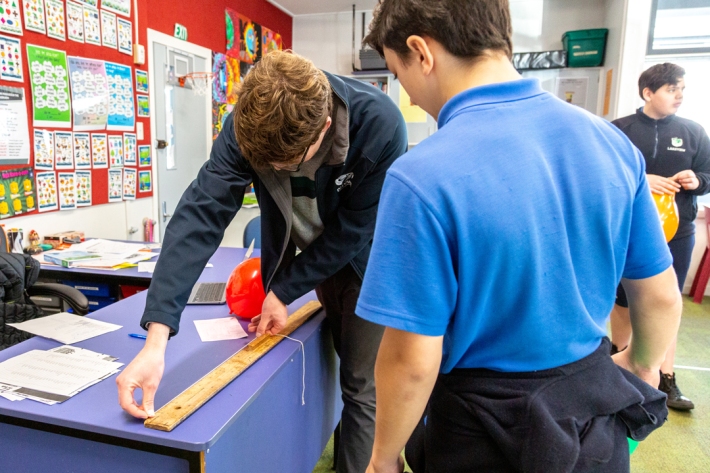
NIWA frequently hosts Royal Society of New Zealand Teacher Fellows. During their year at NIWA the Teacher Fellows participate in the life of the institute (including field work), engage in discussion, and generally enhance their science skills and background. They contribute to NIWA by working on defined projects and, in some cases, creating teaching resources and activities.

Teachers should also check out the material in Stuff for Students, especially the ideas for projects.

Curriculum connections

In each issue of our flagship publication Water & Atmosphere you’ll find pointers for using individual articles to support your classroom teaching. The latest issues have references to the NCEA Achievement Standards and earlier issues refer to the NZ Curriculum.

Climate and weather

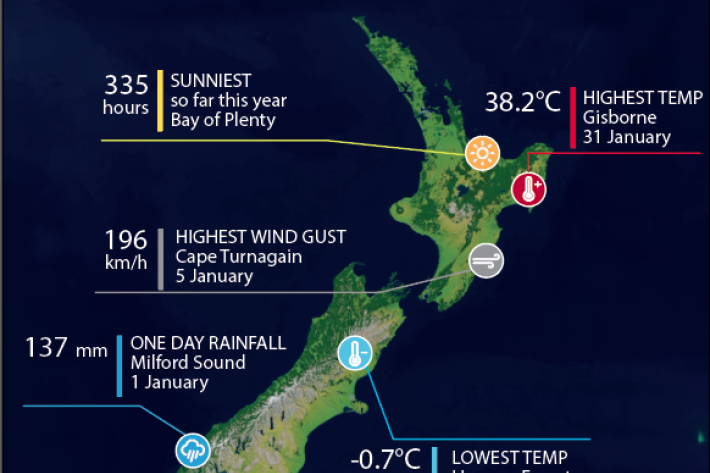
Here's a range of mathematics-oriented exercises for secondary students using climate data. You'll also find an overview of New Zealand climate and climate data files for use in projects.

Freshwater

The Environment Watch CDs are suitable for use by community groups, environmental educators, and secondary schools. NIWA has produced the series based on Environment Watch items from the TV3 programme No8 Wired. On this website you can see the curriculum connections, and access worksheets and the associated web pages. You can also order a set of the CDs.

“New Zealand streams & rivers” by NIWA author Scott Larned is published by the Royal Society as Alpha 117. The 8-page publication includes these topics: managing streams, land-use change, state of the world’s waterways, the New Zealand river scenario, water quality in New Zealand, urban streams, and restoring streams and rivers. Copies can be ordered from the Royal Society websiteThis icon means that the accompanying link will open in a new browser window..

Estuaries

When Fresh Water Meets Salty Water is a simple classroom exercise to explore the physics of estuaries.

“Sedimentation: its impact on estuaries” by NIWA authors Alf Norkko, et al. has been published by the Royal Society as Alpha 114 and also as pages 19–26 in NZ Science Teacher No. 101. This resource examines the question “How do increased amounts of sediment impact on the ecology of the estuary?” by describing recent NIWA field work north of Auckland and in the Coromandel. Copies can be ordered from the Royal Society websiteThis icon means that the accompanying link will open in a new browser window..

Estuary information pack.

Coasts

NIWA has produced New Zealand’s Sandy Coasts as a resource for science and geography teachers. The educational CD encourages students to learn about coastal processes and will raise awareness of coastal issues and hazards, such as the effect that erosion might have on coastal development. The introductory material includes information on how the CD fits into the New Zealand science, physics and geography curricula. Order Form

Oceans

The Iron HypothesisThis icon means that the accompanying link will open in a new browser window., by Julie Hall, is an educational resource based on the SOIREE iron fertilisation experiment in the Southern Ocean. It is published by the Royal Society of New Zealand as number 106 in their Alpha series.

Marine BiodiversityThis icon means that the accompanying link will open in a new browser window., written by Dennis Gordon and published by the Royal Society of New Zealand as Alpha 108, is a beginner’s guide to the topic.