Aquatic Biodiversity & Biosecurity Update 31, December 2010

Science Centres: Aquatic Biodiversity and Biosecurity

The latest newsletter from NIWA's National Centre for Aquatic Biodiversity & Biosecurity.

Four decades after its accidental introduction, hydrilla – known as the world’s worst submerged weed – has been almost completely eradicated from New Zealand. This highly invasive weed has been 99-percent cleared from four small lakes in Hawkes Bay, thanks to research and advice from NIWA’s freshwater biosecurity team. The risk of spread of this weed is now minimal.
Data, maps, images, and reports from New Zealand’s single broadest marine survey have been made publically available on the internet. NIWA worked with Wellington-based web company Silverstripe to develop a web portal to enable free access to information gathered during the Bay of Islands Ocean Survey 20/20.
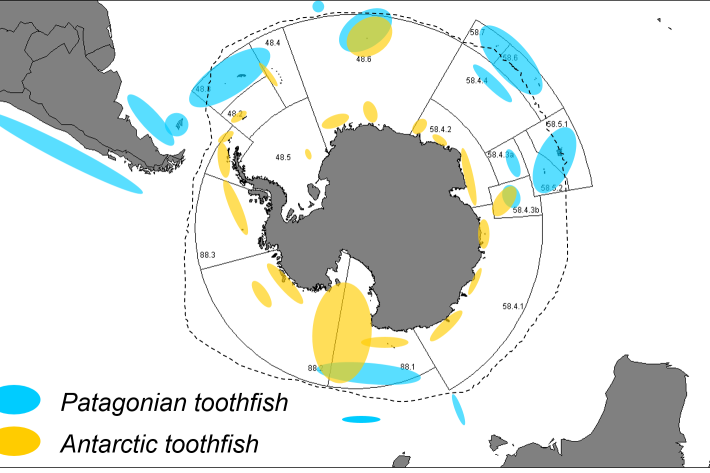
Information on vulnerable marine invertebrates caught as bycatch in the Ross Sea toothfish fishery is helping to assess the environmental impacts of the fishery. It also contributes to knowledge of vulnerable species distribution in Antarctic waters.
Dr Barb Hayden has taken over from Dr Don Robertson as Chief Scientist of NIWA’s National Centre for Aquatic Biodiversity & Biosecurity (NCABB). Don handed over the reigns in July, retiring after an illustrious science career spanning four decades.
The inaugural NZ Biodiversity Photo Competition attracted more than 350 entries from amateur and professional photographers of all ages. The competition, run by Department of Conservation, NZ National Commission for UNESCO, NIWA, and Forest & Bird, celebrated New Zealand’s unique plant and animal life and marked the 2010 UN International Year of Biodiversity.