-
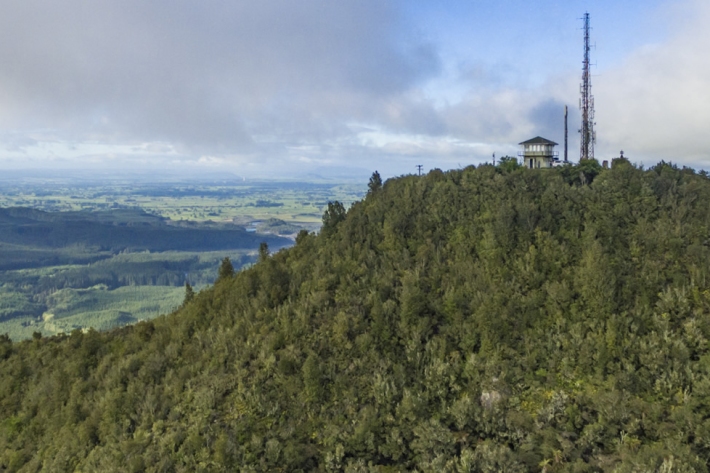
CarbonWatch NZ
CarbonWatch NZ is an internationally-recognised research programme that will enable New Zealand to make the right decisions for a zero carbon future. -
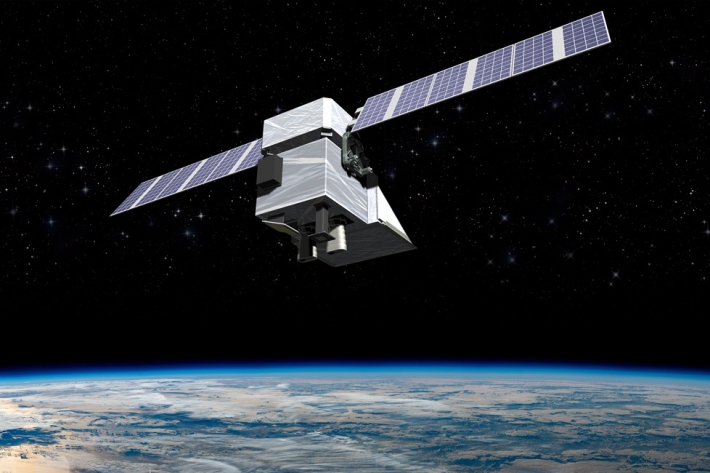
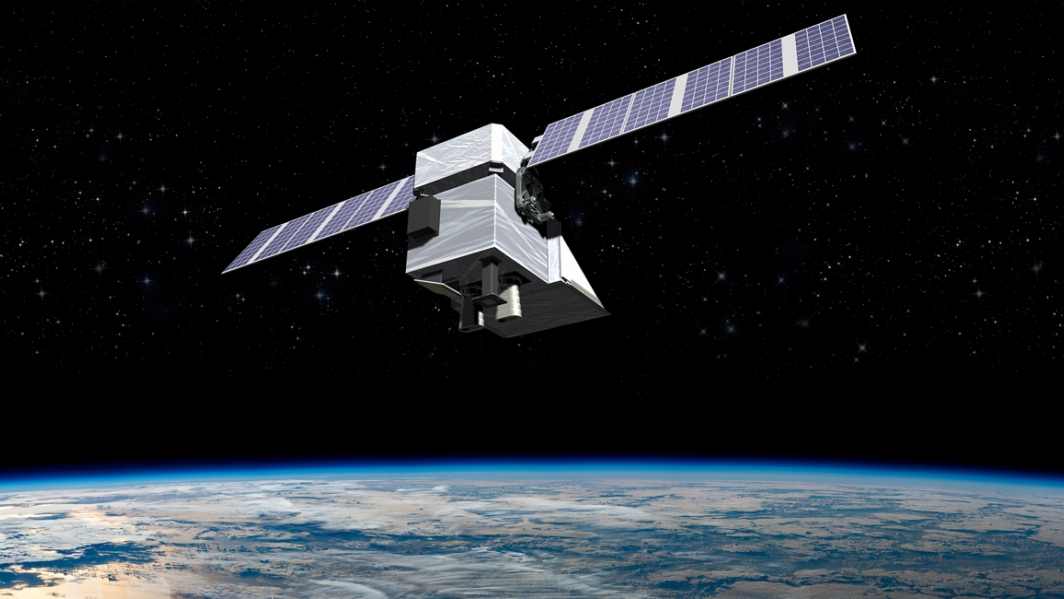
MethaneSAT
Research ProjectDetecting and quantifying methane emissions by satellite -
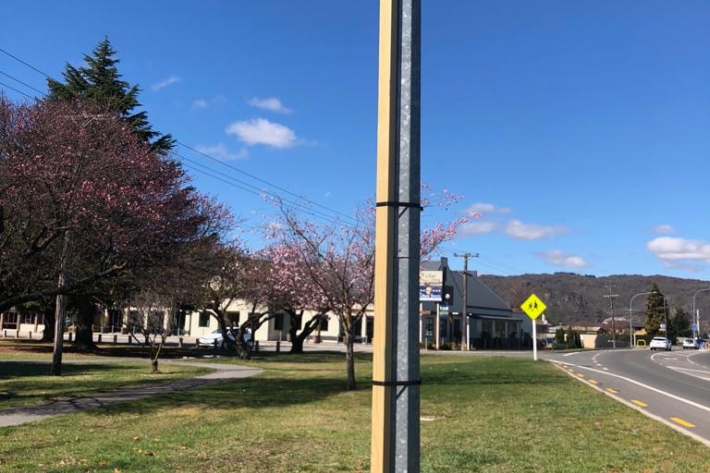
Community air: Air quality issues in NZ towns
Research ProjectCommunity Air is a family of research studies, community projects and commercial services that empower local communities to engage with, assess and tackle local air quality issues. -
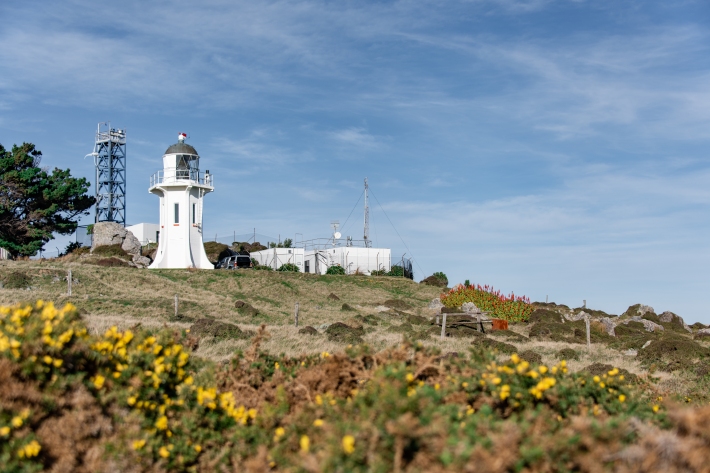
Baring Head Atmospheric Research Station
FacilityThe Baring Head station, which overlooks Cook Strait, has been operating since 1972 and the data collected there makes significant contributions to our global understanding of greenhouse gases. -
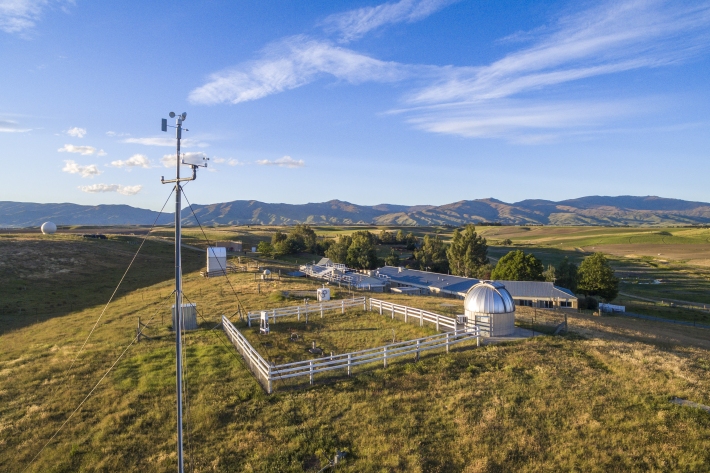
Lauder Atmospheric Research Station
FacilityNIWA's Atmospheric Research Station at Lauder in Central Otago specialises in measuring CFCs, ozone, UV levels and greenhouse gases and has a wide range of world-class instruments and research scientists. -
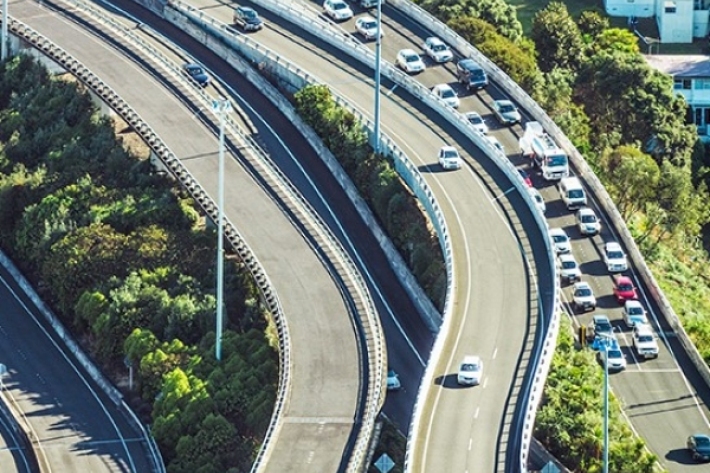
Traffic emissions mapping - black carbon and nitrogen dioxide
Research ProjectBlack carbon, commonly known as soot, is made of microscopic particles generated by incomplete combustion. -
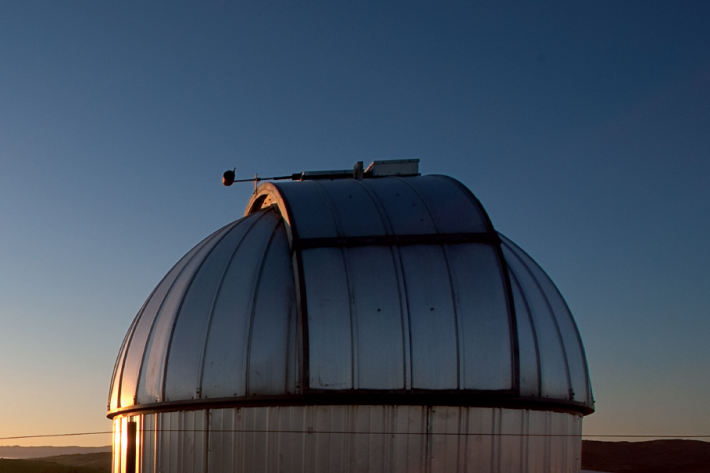
Total Carbon Column Observing Network
Research ProjectNIWA participates in the Total Carbon Column Observing Network, a ground-based observing network dedicated to making precise and accurate measurements of greenhouse gas concentrations in different parts of the atmosphere. -

NZ and US studying “huge unknown” in Antarctic climate science
Media release10 December 2025Scientists are measuring a huge unknown in climate science: how much heat Antarctica emits into space. -

Antarctic methane discoveries skyrocket
Media release10 October 2025New methane seeps are being discovered at an astonishing rate in Antarctic waters. -

Methane monitoring advances promise benefits for agriculture and waste sectors
Media release10 July 2025Accurately measuring methane emissions, verifying sources and validating efforts to reduce them. -
Loss of contact with MethaneSAT satellite won’t stop agricultural emissions research
Media release02 July 2025Earth Sciences New Zealand statement on loss of contact with MethaneSAT satellite. -

Native forests sink more carbon than expected
Media release17 June 2025A NIWA-led study has found New Zealand’s native forests are absorbing more carbon dioxide (CO2) than previously thought.