
These guides are designed for rapid identification of freshwater flora and fauna.
Some of the guides have been developed with funding from the Biodiversity of New Zealand Aquatic Environments programme and the Terrestrial and Freshwater Biodiversity Information System (TFBIS) programme, administered by the Department of Conservation.
-
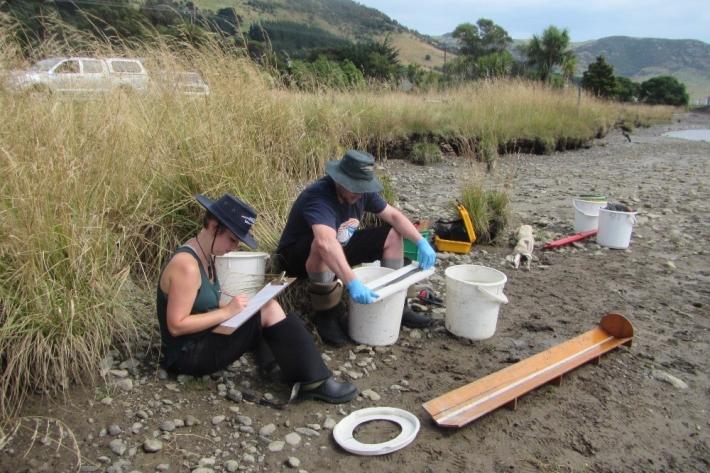
Identifying New Zealand freshwater fishes
NIWA has a series of identification guides available to help you identify New Zealand fish species both in the field and in the laboratory. The quick-guides are great for use in the field and the formal keys provide a greater level of detail. -

Quick-guides to freshwater flora and fauna
These guides are designed for rapid identification of freshwater flora and fauna, usually to the generic level, for use in biomonitoring. -
Ancient isopods: conservation status of New Zealand phreatoicid isopods
These endemic freshwater crustaceans are truly living fossils that originated in Gondwana at least 325 million years ago and have changed little morphologically since that time. -
New Zealand rushes (Juncus): field identification guide
Rushes (family Juncaceae) are a common component of New Zealand wetland vegetation and species within this family appear very similar.